MICROBIAL FOOD HUB
Harnessing engineering biology and the microbial food revolution to create and deliver a more sustainable, productive, resilient and healthy food system

Our Objective
We pioneer research, innovation, and translation in engineering biology for microbial foods. By uniting world-leading researchers, industry, policymakers, and chefs, we develop novel microbial foods and ingredients that reduce environmental impact, improve nutrition, and advance the circular economy.

Applications
To advance engineering biology research to produce microbial foods.

Capabilities
To develop capabilities for microbial foods using engineering biology.

Impact
To support microbial foods research and create real-world impacts.
Some microbes used in food production can double in as little as 10 minutes, orders of magnitude faster than most plants. This incredible growth rate helps reduce land and water use compared to conventional agriculture.
Our Applications
We advance engineering biology research to produce microbial foods by delivering outputs from six case studies, which utilise three key technology areas: biomass fermentation, traditional fermentation, and precision fermentation.
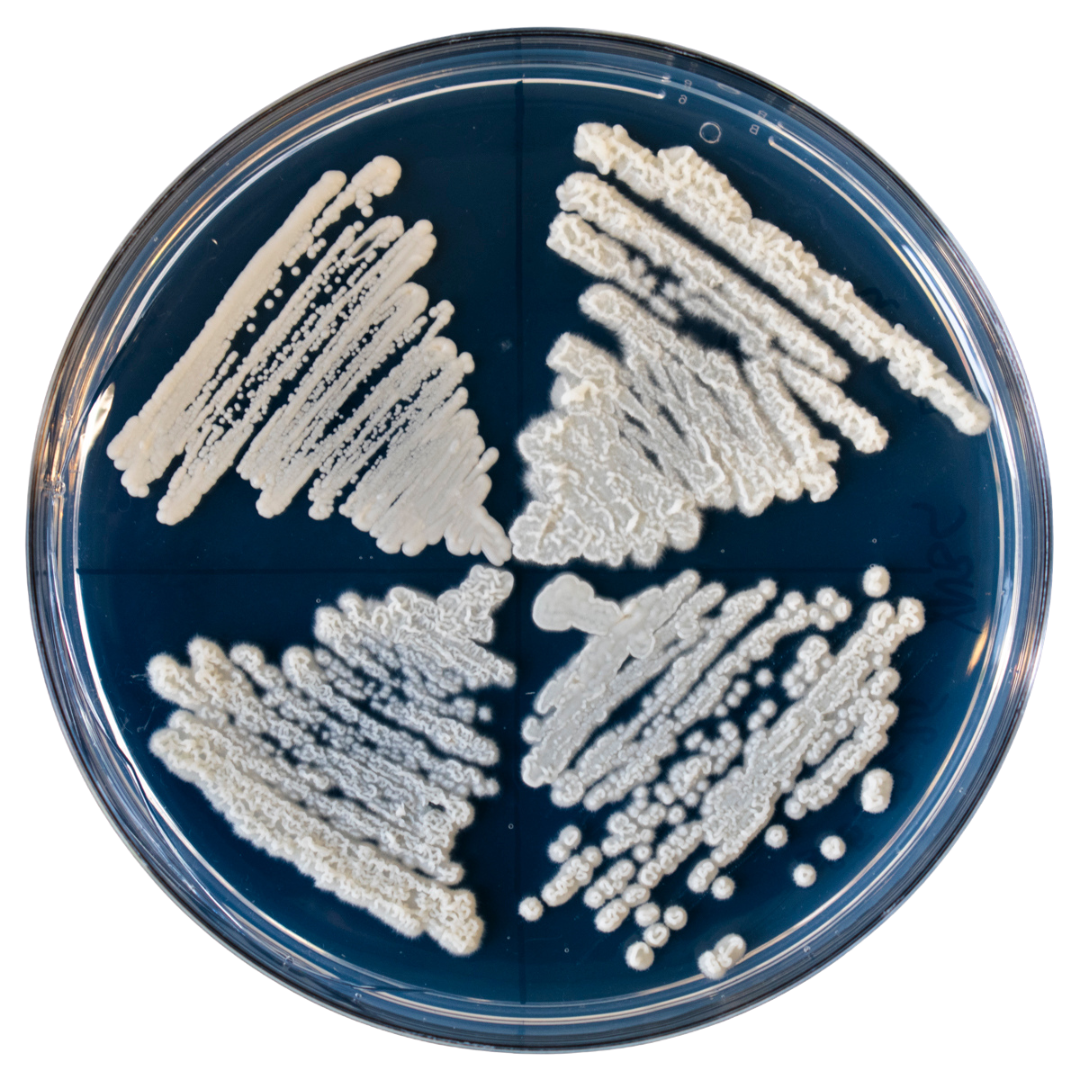
Biomass Fermentation
Biomass fermentation uses the high-protein content and rapid growth of microorganisms to efficiently make large amounts of protein-rich food. In this type of fermentation the microorganism grown via fermentation is the food product. For example, Quorn grows a microorganism to use as the primary ingredient in their products.
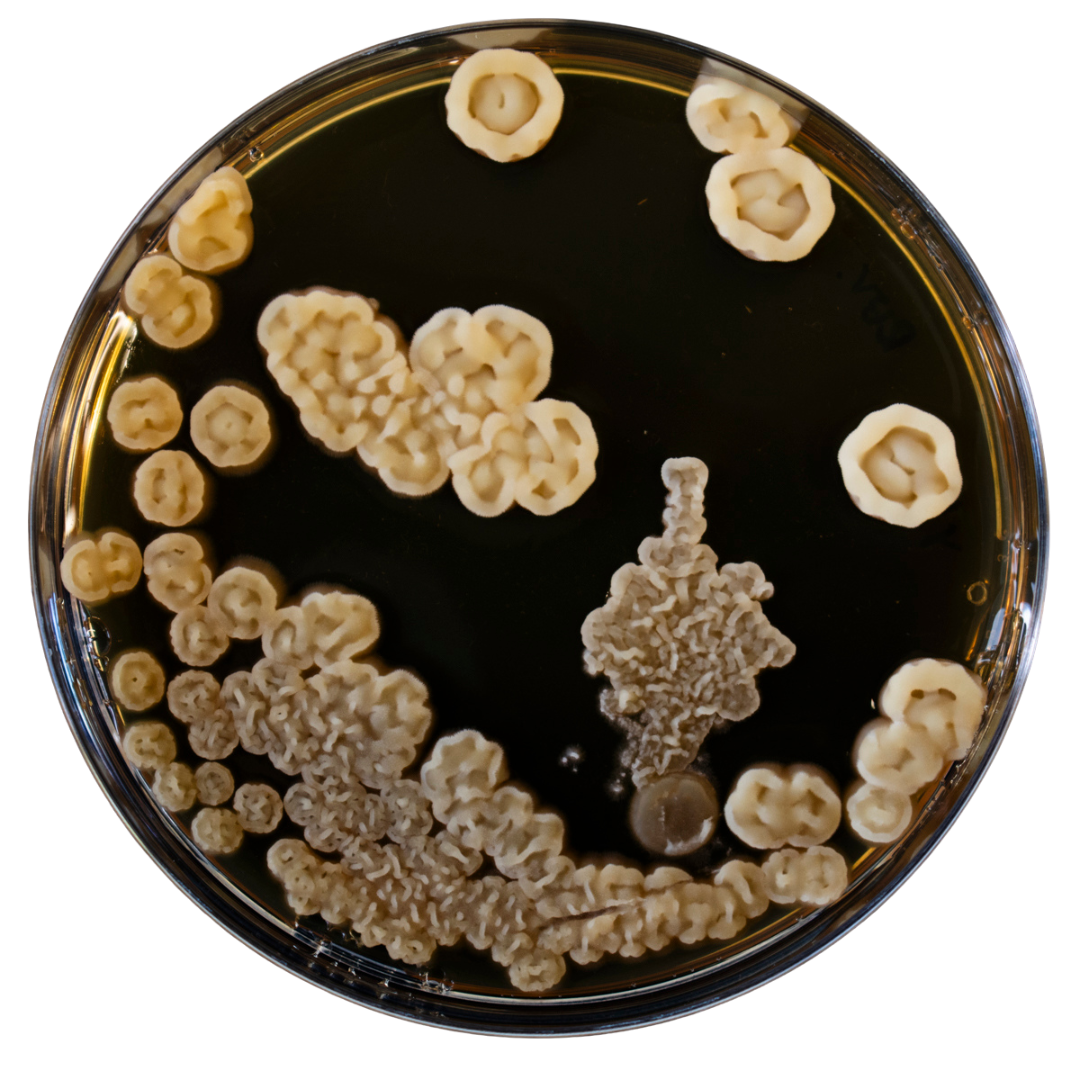
Precision Fermentation
Precision fermentation uses microorganisms to produce specific functional ingredients. The microorganisms are programmed to be tiny production factories. For example, rennet for cheese or vitamin B2. Precision fermentation creates specific proteins, enzymes, flavor molecules, antioxidants, vitamins, pigments, and fats.
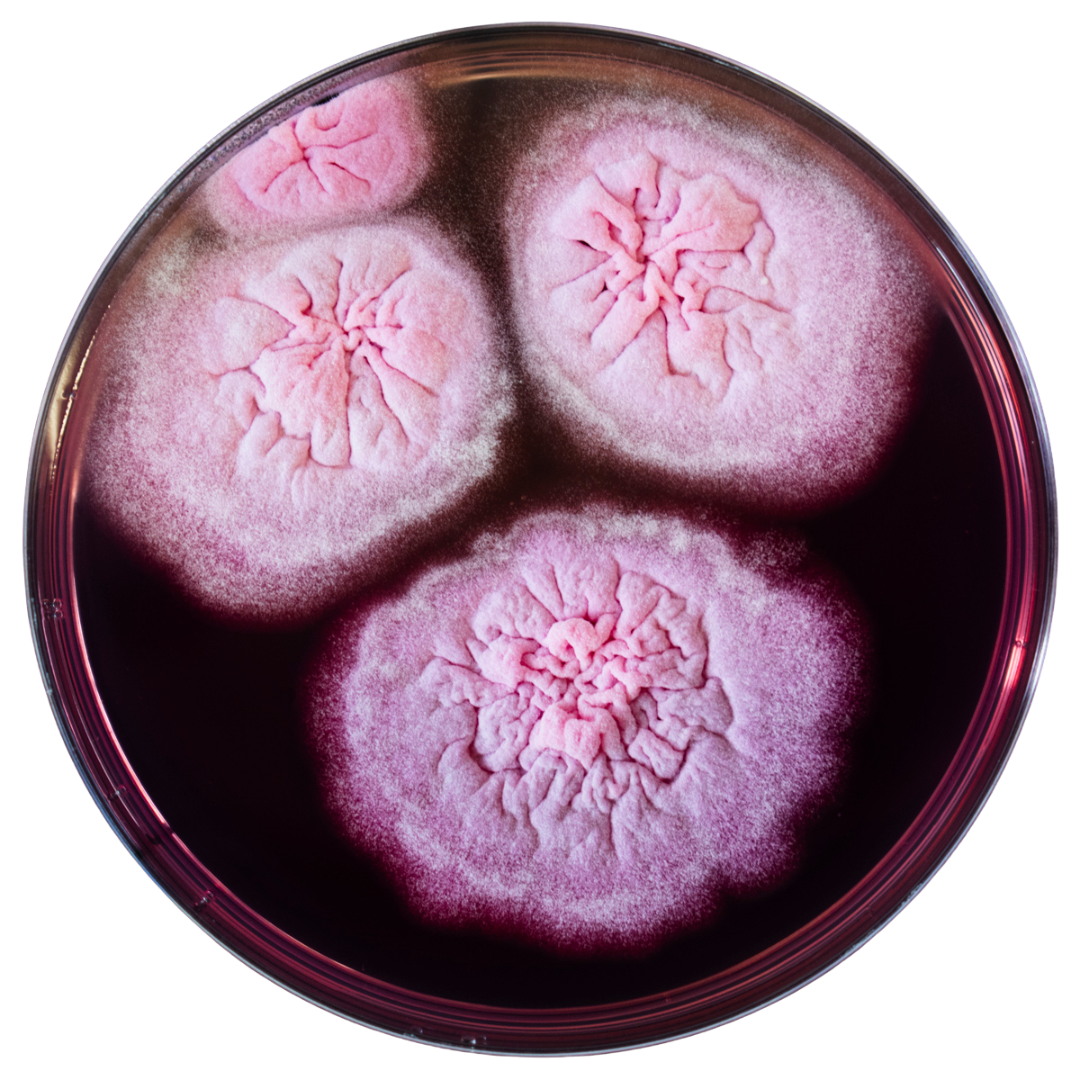
Traditional Fermentation
Traditional fermentation is the process of changing a food through the action of microorganisms. Examples include the processes of making cheese, bread, kimchi, kefir, beer, etc. It is a technology that has been around for millennia. Traditional fermentation improves the safety, nutrition, and taste of food.
Our Facilities
We host a suite of complementary, state-of-the-art technologies in bioprocessing, automation, AI, food technology, and nutrition. By uniting these capabilities, we transform microbial foods—making them tastier, healthier, and more sustainable.
O1
Scale Up
We provide critical facilities to grow, scale, and process microbial biomass, enabling partners to progress from bench-scale experiments to pilot or near-commercial production.
02
AI & Integrated Data Systems
We provide an AI-driven pipeline to organise and analyse data across all Hub research, making advanced metabolic models widely accessible for quickly optimising strains and designing superior microbial foods.
03
Strain Engineering
We provide automated workflows for engineering novel and under-explored microorganisms, leveraging SynbiCITE and the London Biofoundry to streamline new food product innovations.
04
Nutrition
We provide a specialised pipeline to evaluate the taste, texture, and safety of microbial foods, guiding partners in creating appealing, market-ready products that meet consumer and regulatory standards.
05
Food Technology
We provide a standardised protocol to study the nutritional impact of microbial foods, assessing factors like nutrient bioavailability and digestion to help partners refine formulations for optimal health benefits.
Microbial foods can tap into food and agricultural by-products as growth feedstocks, cutting down on waste while producing protein and other nutritional ingredients.
Our Partners
We are partnered with world-leading experts to drive research, innovation, and translation for microbial foods.

Contact Us
We invite you to connect with the Microbial Food Hub and learn more about our groundbreaking work to develop sustainable, nutritious, and economically viable food solutions.
Whether you represent industry, academia, government, or a broader stakeholder group, we welcome opportunities to collaborate, share expertise, and foster innovation.

